Be yourself; Everyone else is already taken.
— Oscar Wilde.
This is the first post on my new blog. I’m just getting this new blog going, so stay tuned for more. Subscribe below to get notified when I post new updates.
Be yourself; Everyone else is already taken.
— Oscar Wilde.
This is the first post on my new blog. I’m just getting this new blog going, so stay tuned for more. Subscribe below to get notified when I post new updates.

Do you often feel burning, itchy and tired eyes? Well, it may be the problem of eye fatigue. It’s quite a common eye condition but rarely serious. Anything that needs extreme eye use can cause eye fatigue such as writing, reading and driving. Also, if you try to read in dim light or spend time in bright light, it can cause you eye fatigue.
However, the common symptoms of eye fatigue can easily be healed through some natural remedies at homes such as putting a warm towel on eyes, washing your eyes or sleeping. But if you have chronic headaches, eye discomfort, double visions and a major change in vision, you should opt for prescribed medical care.
When it comes to the treatment of eye fatigue, homeopathy is the best option to get instant relief. Doctors recommend homeopathy in case of eye fatigue when you stare at the computer use smartphones or game console for long periods. The eye condition occurs due to this is called “digital eye strain” or “computer vision syndrome”. It affects your vision if you use any of the ones. Around 10 million people visit an eye doctor to get rid of the problem of eye fatigue each year. Well, the problem is expected to grow as more people use mobile screens and other handheld digital devices that force your eyes to cause more strain and fatigue to read tiny words.
Homeopathy is the best way to fight against the symptoms of eye fatigue when you trouble to focus, having blurred or double vision, watery or dry eyes, irritated or sore eyes, increased light sensitivity, pain in shoulders, back or neck. Homeopathy provides you relief from all these symptoms in a short time and reduces the symptoms before they get worse.
Homeopathic doctors treat your condition of eye fatigue using plant-based medicines which include, any specific herbs, roots and leaves. They provide these pant-based medicines in the form of pills, tablets, powder, gels and eye drop. patients of eye fatigue are also recommended to stay away from dust, bright light, dim light and avoid straining the eyes.
Now, if you or your dear one is facing a problem due to eye fatigue and looking for natural and non-invasive treatment procedures, then homeopathy is the best option that can be considered. It is completely non-invasive, thus it can not cause any kind of allergic reactions or side-effects to patients.
There are many eye doctors available in Florida, who are known for their holistic homeopathy approach to treating the symptoms of eye fatigue, but the quality offered by doctors at Healing the Eye is unmatched. Apart from eye fatigue, Healing the Eye is your go to eye care centre for redness, irritation, itching or swollen eyes.
They are also known for offering the best eye care treatments for eye conditions such as dry eyes, watery eyes, cataracts, glaucoma and even macular degeneration. The entire staff of Healing the Eye is dedicated to offering eye treatments using the power of homeopathy.
Resource– https://www.healingtheeye.com/how-to-fight-eye-fatigue-with-homeopathy/

Average life expectancy is all-time high in major countries such as the U.S. With the increased age, people develop several eye diseases. A cataract is one of the most common eye diseases that trouble elderly people and affect their ability to see. Most often, these patients go under the knife to save their vision. But do you know that the cataract treatment through homeopathy is also possible? Well, homeopathy is the most effective treatment to reduce the symptoms of homeopathy without causing any side-effects. In some surgical cataract treatments, the procedure is different for elderly patients and younger patients.
Nonagenarians develop more systemic medical conditions as compared to young cataract patients in terms of surgical procedures. Doctors have to pay close attention to elderly patients of cataract to monitor systemic health. The more fragile health means the patient will likely get less systemic sedation. As the cornea goes through age-related changes that affect the physical corneal strength and decrease the elasticity. Homeopathy is the best way to avoid such complications and get rid of the symptoms of cataracts.
Apart from homeopathy, it is also recommended to take care of your eyes by considering certain remedies and preventative measures. You should always protect your eyes from the harmful UV and blue-violet sun rays that increase the risk of developing cataracts. Wearing good quality sunglasses is the best way to block 100% of UVA and UVB by around 85%. Moreover, smoking tobacco is also the reason for developing the symptoms of cataracts. According to the study, smoking tobacco can increase the symptoms by 2 times. That means smokers can develop cataract symptoms 50 percent higher than non-smokers.
Talking about the nutrients and vitamins to control the effect of cataracts, studies have shown the effectiveness of nutrients and vitamins in minimizing the symptoms of cataracts. A Canadian study has shown that individuals who consumed Vitamin C and E supplements reduced their risk of developing cataracts by more than 50%.
Now, if you are seeking the highly effective and non-invasive treatment for cataract, then you should opt for homeopathic treatment. It is easier to correct the most common and initial stage of cataracts such as blurry or cloudy vision, poor night vision, glare, double vision, colours appear faded or lamps and headlights appear too bright. All these symptoms can be cured by homeopathy if you don’t get late and avoid progression in cataracts.
Most often, homeopathic doctors prescribe certain eye drop to cure the symptoms of cataracts due to its capacity to dissolve and clear obstructing fibrils in your eye lens. In major countries, homeopathy is the most valuable remedy for cataracts by healing the eye lens.
Hence, it can be said that homeopathy has shown to be the most helpful for treating cataracts and related eye disorders in the practice today, especially for old age patients.
Resource– https://www.healingtheeye.com/why-homeopathy-is-recommended-for-cataracts-in-old-age-patients/

If you ask what is an annual exam, then most of us would refer to the graduate examination of high school. However, this is not the annual exam we’re going to discussing in this blog. We’re here to discuss the necessity of an Annual Eye Exam.
Parents often ensure kids and teenagers attend their yearly appointments. Irrespective of age, a yearly eye test is vital. It will help to discover the early stages of eye issues and also their tendency to be more treatable. During an eye examination, your doctor will check for frequent diseases, decide whether you call for a prescription, and evaluate how well your eyes work together.
Who Must Schedule an Eye Exam?
When it comes to wellness care, adults must regularly have their eyes tested to remain up-to-date on prescription strength and also to test for early signs of eye disease. For teenagers, eye examinations help ensure natural learning and development.
Why learning? You may wonder why this really is an issue. Well, eyesight is related to the learning procedure. Children who have trouble with their visual senses, they will frequently experience trouble with their schoolwork. And most often, kids won’t complain about eyesight troubles due to the fact that they do not know what exactly is “normal” or anticipated vision.
What’s The Eye Doctor Checking For?
Besides assessing whether you have nearsightedness, farsightedness or astigmatism, your eye doctor will check your eyes for eye diseases as well as other problems that could cause vision loss.
Here are some examples of the conditions any eye doctor might search for:
There are some other diseases which are indirectly connected with your vision. For example, diabetes may cause small blood vessel flows or bleeding in the eye, as well as swelling of the macula (the most sensitive area of the retina), that can lead to vision loss. It’s estimated that one-third of Americans who have diabetes don’t know it; your eye doctor will detect the disease prior to your primary care doctor.
Resource- http://bit.ly/2FB5RXz

If you’ve ever been around the pharmacy in a supermarket, you have probably seen the aisles of nutrition supplements available.
These products claim to get a variety of benefits, but now we only want to focus on 2: flaxseed oil and fish oil, and what they can do to fight dry eye.
The Dangers Of Dry Eye
The tear film is the eye’s first line of defense against germs and irritants, trapping them so that they may be flushed off with each blink. Tears also help our eyes move smoothly. Tear production is somewhat complex, as there are three layers into the tear film that need to keep balanced. Whether total tear production decreases, the fatty layer is disrupted or the equilibrium is compromised, if something goes wrong, the result can be dry, itchy, irritated, and exposed eyes.
There are several things we all can do to treat dry eye, such as taking more breaks from looking at our screens, switching from contact lenses to eyeglasses, and using eye drops, but we could even incorporate more omega-3 fatty acids to our diets. Two sources of these are flaxseed oil and fish oil.
Flaxseed Oil
What makes flaxseed oil good for our eyes, is that it contains high levels of alpha-linolenic acid (ALA), an important omega-3. The digestion procedure converts it into two omega-3 fatty acids (EPA and DHA) that promote strong cell membranes throughout the body, including in the uterus.
Flaxseed oil nutritional supplements come in both liquid and capsule form, however, you can grind your flax seeds and scatter them over a salad or add them to a smoothie instead for the same omega-3 advantages. The capsules could be the most suitable, but it might have a large number of these to attain the desired dose.
Fish Oil
Flaxseed oil will probably be the better choice for vegetarians, however, it doesn’t supply as much EPA and DHA as fish oil. Our bodies just convert a small proportion of ALA from plant-based foods into these omega-3 fatty acids, but EPA and DHA are already present in fish oil, so we can get the full benefit without needing to break them down.
When fish oil capsules tend to leave a fishy flavor in your mouth, you might prefer to get your omega-3 benefits from yummy grilled fish instead! The ideal fish for EPA and DHA are salmon, tuna, halibut, and sable-fish.
Bring Us Your Omega-3 Along With Dry Eye Questions
As with all supplements and remedies, it is important to get professional medical advice before taking things into your own hands. What works for different people will not always get the job done for you, so give your optometrist a phone or schedule a consultation so we can ascertain whether flax-seed oil or fish oil is a good dry eye solution!
Your optometrist will be able to help you choose the best option for your eye health!
Resource– https://www.healingtheeye.com/what-to-choose-for-dry-eye-flaxseed-oil-or-fish-oil/
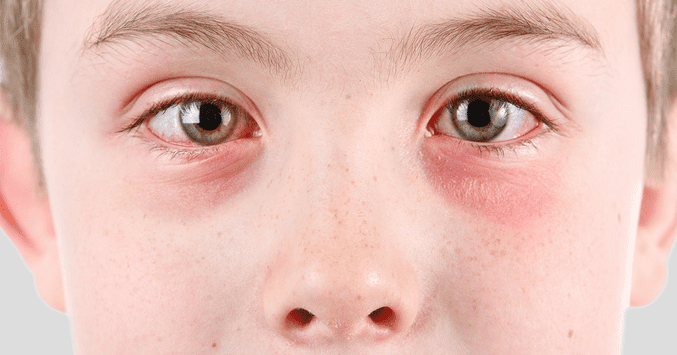
Pink eyes are more commonly known as Conjunctivitis. It is the inflammation/soreness of the thin, transparent covering of the white part of the eye and inside of the eyelids (also known as Conjunctiva).
Conjunctivitis, based on the cause can be categorized in many ways, but many ophthalmologists use the term ‘Pink eye’ to refer to viral conjunctivitis. Pink eyes is an extremely contagious infection caused by a different viruses. Most of the time the condition causes swelling, redness, itching, and whitish drainage of the eye.
Symptoms of Pinkeye
Without any confusion, the initial symptom of the condition would an eye turning pink. However, other main symptoms of pink eye would depend on the type of conjunctivitis one suffers from:
Viral Conjunctivitis: This condition causes watery eyes, itching, and sensitivity to light. One or both eyes can be affected. It is highly contagious and can even spread while coughing or sneezing.
Allergic Conjunctivitis: Allergic conjunctivitis similar to viral has the same symptoms of watery, itchy and burning of eyes. However, it is often accompanied by a runny and stuffiness nose. It is not contagious and can affect both eyes.
Bacterial Conjunctivitis: A distinctive symptom that categorizes bacterial conjunctivitis is a sticky greenish-yellow thick eye outflow which originates from the corner of the eye. In some extreme cases, the discharge can even cause the eyelids to stick together when you wake up. It is also contagious but only through direct contact (such as, infected hands) and can affect one or both eyes.
The initial and most significant symptoms of pinkeye can be summarized with the following:
How To Naturally Cure Pink Eyes?
Consuming antibiotics or using eye drops are some of the popular methods to cure pink eyes. However, there are many simple steps that can help in easing out the pain of pink eyes.
Warm/Cold Compression
Take a lint-free cloth and soak it in hot/cool water, whatever adequately suits you for compression. Don’t press it hard as you can injure your eyes while doing so.
Note: If you have only one eye then keep the compress away from the second eye as there exists a chance of getting infected.
Colloidal Silver
It has a prompt action against pink eye infection. Colloidal silver, when applied on the infected eye, picks up the infected cells by attracting them electromagnetically and then further eliminates them by sending them into the bloodstream. However, they are only useful in specific classes of conjunctivitis.
Wash Up
In case of allergic conjunctivitis, if you are not aware of the source of the allergy, it is very crucial to wash pillowcases, bed-sheets, and clothes often. Bathing or showering before midnight may help too.
Note: If aware of the source of energy, always try to avoid it.
Resource- http://bit.ly/35gRYZy

One of the most necessary things we can do to keep our quality of life would be to safeguard our vision.
Vision loss increases with age, and one in every six adults copes using a sight-threatening eye issue. A number of the leading causes of blindness and low vision are age-related diseases like macular degeneration, cataracts, diabetic retinopathy, and glaucoma, but there are ways we could fight back.
1. Learn If You Are At Risk
Does your household have a history of diabetes or high blood pressure? Are you 65 years old or an African American over age 40? Factors like these contribute to a risk of developing sight-threatening eye diseases, so make sure you’re aware of them.
2. Live A Way of Life
How you live can have a huge impact on your overall health, and that includes your own eyes. Eating healthy foods, including plenty of fruits and vivid or dark green vegetables can help your eyes remain healthy, as will regular exercise. And as we could improve our health by maintaining these sorts of good customs, we could also remain healthier by preventing bad habits like smoking, as smoking increases a person’s risk of developing several sight-threatening ailments.
3. Schedule Regular Physical Tests
Degenerative diseases such as high blood pressure and diabetes may cause numerous problems if undiagnosed and untreated, including eye problems. Diabetes, in particular, can lead to vision loss due to diabetic retinopathy and macular degeneration, and untreated hypertension may lead to eye strokes.
4. Schedule Routine Eye Exams
The only way your eye doctor will have the ability to capture an eye disease early on to begin managing and treating it will be if you’re scheduling your routine eye examinations. Catching these diseases early is frequently the distinction between vision loss and successfully rescuing the patient’s sight.
5. Be On Your Watch For Changes In Your Vision
Whenever you observe a change in your vision, you need to come to see us immediately. It could be something as simple as needing an updated prescription for your glasses or contacts, however, symptoms like red eyes, flashes of light, a sudden increase in the number of floaters you notice, and eye pain or swelling could be signs of severe eye problems that need immediate care.
6. Protect Your Eyes From UV Rays
Even individuals with no predisposition for eye disorder need eye protection from sunlight, but it’s not quite as simple as grabbing the nearest cheap pair of sunglasses you may locate. Ensure that the pair you wear block 100% of UV-A and UV-B rays before you buy them because sunglasses that don’t block UV rays can be worse than no sunglasses in any way.
Resource– http://bit.ly/2yRWks7
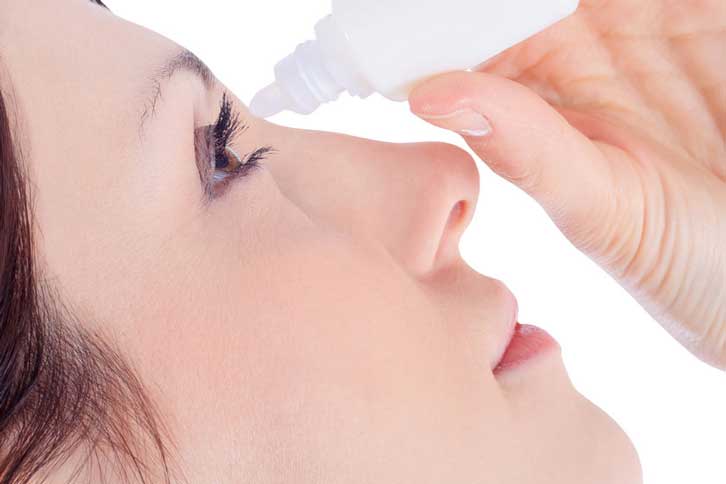
Spring is undoubtedly one of the most awaited season of all! For a lot of us, spring comes with itchy and bloated allergies that leave our eyes red.
Those who have allergies are often quick to seek help for symptoms like sneezing, sniffling, and nasal congestion. But allergies may affect the eyes, too. They could make your eyes red, itchy, burning, and watery, and trigger swollen eyelids.
The same remedies and self-help strategies that ease nasal allergy symptoms operate for eye allergies, too.
Also called ocular allergies or allergic conjunctivitis, they pose little danger to vision other than temporary blurriness. But infections and other ailments can cause the same symptoms, so call your physician if your symptoms do not improve.
Why does this happen to people each year? What can we do to help our eyes enjoy the spring season?
What Causes Seasonal Allergies?
Technically, allergies aren’t limited just to spring. Lots of allergens exist like dust and pet dander, but our allergies usually do often have worse in the fall and also at the spring. If you’re vulnerable, you could spend weeks feeling congested, using an itchy throat, puffy eyes, and also a lot of coughing and sneezing.
We’ve got pollination to blame for these allergy seasons. Grass pollinates in the spring and ragweed in the fall, therefore all these particles are in the air waiting to be breathed in by and soil on the eyeballs of someone with an overactive immune system.
How Allergies Affect Our Eyes
The most frequent eye-related allergy symptoms are itchiness, redness, and watering, but they can come with swollen eyelids, a scratchy or gritty feeling, a burning sensation, and distress with contact lenses. Taking decongestants may also produce the eye problems worse by massaging the eyes out and leaving them more vulnerable to allergens in the air.
Preventing And Treating Allergies
There are no practical means to avoid airborne allergens 100 percent of their time, but we can certainly minimize our exposure to them. Staying indoors on windy days will help. Wear a pollen mask, In case you need to go out for yard work. Keep your windows and avoid using window fans who can blow pollen and off spores inside. Wearing sunglasses or regular eyeglasses may give your eyes a bit of protection.
If allergy attack strikes, make sure that you stay hydrated and use eye drops in case your eyes become irritated, especially if you’re employing allergy medicine that dries them out. You aggravate your symptoms and also might be comfortable wearing glasses until you feel. Ultimately, avoid rubbing your eyes, because that will make matters worse!
You May Depend On Your Optometrist
In case your eyes are giving you trouble, whether it’s due to allergies or not, we’d like to help. It’s no fun to spend the spring with runny eyes, and we would like you to enjoy the time as far as possible. So that we could make a plan to beat on your seasonal allergies, schedule an appointment with us!
Help us assist your eyes naturally during allergy season!
Resource– http://bit.ly/2Y6UJ0G
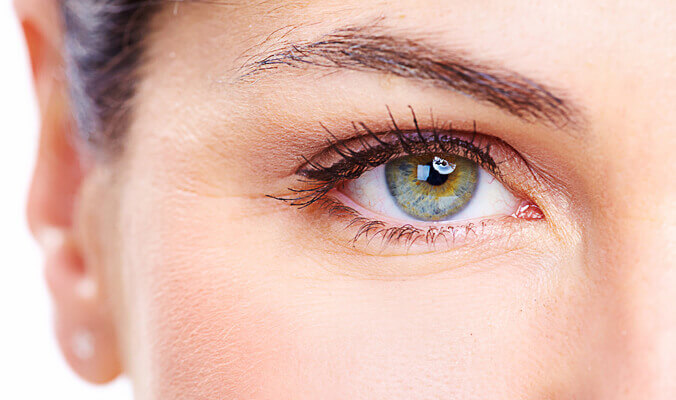
Although we all know that there are differences between men and women! It might surprise you that some of those differences include our eyes as well.
Generally speaking, women are less inclined than men to get an eye injury during their lifetime, however, the unfortunate trade-off is becoming more vulnerable to various eye ailments.
Women And Eye Diseases
Women tend to need glasses more frequently than men, and they are more vulnerable to developing chronic dry eye as well. It might be a dry eye if you are struggling with symptoms like blurry vision, irritation, pain, and redness in your eyes. Eye drops help in the short term, but it is time to schedule an eye appointment if it doesn’t go away.
Two severe, sight-threatening conditions that more women are diagnosed with than men are glaucoma (vision loss from damage to the optic nerve over time) age-related macular degeneration (causes the gradual loss of central vision). Do not get overly worried, however; the reason for this is simply that women tend to live longer than men, and the best way to combat these diseases is early detection through regular eye examinations.
Read More: How To Improve Eye Health Naturally
Risk Factors For Eye Disease
A couple of eye disorder risk factors associated with being a woman include maternity, birth control, and melancholy because all three triggers a lot of changes in hormone levels. Dry eye’s likelihood becomes higher in such conditions, and birth control may increase the odds of cataracts.
Being a girl is a danger factor nobody can control, and another is era, but there are ones that we can do something about. The most important is neglect. At the hustle and bustle of making sure the rest of the household gets all the appointments they want, many women forget that their health needs attention also. Don’t forget to schedule your eye exams!
The Female Gaze
After all this discussion about eye disorders, we want to change gears to something more fun: the differences in how male and female eyes see! Various studies have demonstrated that girls are better at distinguishing subtle differences in color, whereas men are better at tracking motion. Just think — that there could be a reason for all those married couples!
What Your Optometrist Can Do
As eye caregivers, we encourage all our patients to be proactive in looking after the health of the eyes. A few important things we can all do is to consume healthy foods, stop smoking, and program those routine eye exams. But if you are noticing any changes in your eyesight, don’t wait months for that normal appointment to come about. Give Dr. Kondrot a call now!
We love helping you keep your eyes healthy!
Resource– http://bit.ly/2K4uCia
Since it is nearly impossible to avoid blue lighting in today’s time, it’s essential to have a blue light filter for our eyes. We’re constantly surrounded by electronic devices and their screens. Blue light emitted by TV’s, smart phones, desktops, and Ipads are all around us.
FYI: On an average, Americans spend ten hours every day taking a look at screens? Ten hours is roughly 42 percent of your day and these amounts are expected to increase within the next few years.
Not only are individuals suffering from its exposure but light can even harm the retina if you’re not using a light filter or light blocking glasses for eye care. This blue light is able to pass through the cornea leaving the risk of future troubles and or HEV lighting is toxic to your own eyes.
What’s a Blue Light Filter For Eye Care?
What exactly is blue lighting and why is it so harmful? Light rays that have longer wavelengths contain less energy, however, although we’ll try not to give you the physics but you must know that those with short wavelengths contain more energy. Blue light has a high energy level and emitting visible light that’s observed from the human eye and over time, short wavelength, can be harmful.
So, what do we do? We understand that the blue light from digital devices and other sources can be harmful. Many eye care practices are hopping on board with the improvements in this technology and have become more educated on this subject to offer alternatives.
Let us talk about a couple of things that you ought to know more about the blue light filter for eye care and how there is a blue light filter essential for your eyesight.
Read More: 9 Natural Remedies for Eye Strain from Computer Use
Blue Light Is All Around Us
Where do you think the most ordinary blue light exists? If you are thinking about the sun, then you’re correct! Most of the exposure that we receive of blue light is from being outdoors. There’s artificial HEV light, just because there are man-made lakes. Display screens of your smart phones, I pads, tablets discharge a significant number of light that is blue. In addition, fluorescent bulbs and LED light are resources of light that are blue. The quantity of HEV light is discharged from the sun, and you are most likely looking at your phone more than straight.
Risks– There are many risks involved with blue light. The quantity of time we spend looking into these electronic displays may lead to long-term issues and ends in eye distress. This light could prematurely age the eyes and can affect vision. One of the significant risk that is associated with exposure to blue light is digital eye strain.
Note: In reality, according to All About Vision, 65% of Americans have reported symptoms of digital eye strain.
Macular degeneration is just another risk related to light. Continued exposure to HEV light over time may result in cells that are damaged. Getting damaged cells in the retina may lead to permanent vision loss. There’s no amount of blue light exposure that may end in macular degeneration, but the more blue light we are exposed to, the more we increase the risk of developing some vision related issue.
Lastly, there are many symptoms associated with too much blue light radiation including sleep disorders, headaches, blurred vision, and exhaustion.
Original Resource- http://bit.ly/2LSkdrl

The human visual system is a complex matter, it’s because of these complexities only that this unique system tends to make some mistakes too. Illusions, which are quite simple in design yet deceptive to our brains, causing us to see fallibility expose this. As per another study in the Journal of Neuroscience, this happens because the neural pathways that feed to the visual cortex get themselves tied up into knots, giving rise to feedback loops that supplement the external stimuli seen by the eyes.
When you look at an optical illusion and you might believe you’re seeing something, which may look like curved line but that’s actually straight, or even a moving thing that’s standing still. In such scenario, you mostly feel that your eyes are playing tricks on you.
It’s not your eyes. An illusion is an evidence that you do see what you feel you do — due to the way your brain and your entire visual approach perceive and translate a picture.
These visual illusions occur due to properties of the visual areas of the mind as they receive and process data. To put it differently, your understanding of an illusion has to do with how your mind functions — and much less with your eye’s optics.
An illusion can be defined as “a mismatch between the immediate visual impression along with the actual properties of the item”.
Although individuals popularly call some brain teasers “optical illusions,” this might not be the best word for them, as scientists create a differentiation between optical illusions and the things they call visual illusions.
An optical illusion implies that the illusion occurs due to a few properties of their eye.
But since optical illusions are rare, a much better and more accurate expression is “visual illusions,” since this helps to explain why these senses happen.
Example Of The Floaters
A great example of an optical illusion; one that actually occurs inside the eye is floaters.
Floaters are little specks, stains or dark shapes that seemingly float in your area of vision. To some, they seem like white snow or flashes of light. Floaters are caused by little irregularities in the fluid which happens to be in the eye. To put it differently, they’re real. They become more common as one gets older.
But almost any other illusion happens at the mind level, which explains why scientists say they shouldn’t be referred to as “optical illusions,” and why the term “visual illusions” is more suitable.
Instead of thinking that you cannot trust your own eyes when you see an illusion, then you really should be saying, “that I can’t always trust my visual approach,“s. The system comprises not only the eyes but also the optic nerve, that connects the eye into the mind; and also the visual cortex, the area of the brain that processes visual information.
Another example of an illusion is if you “see stars” following a hard blow to the head.
According to scientists, seeing stars effects in a mechanical stimulation and stimulation of these nerves in the eye, which your mind misinterprets as light. Light does not enter the eye if you hit on your head, but also your system perceives it that way.
Resource- http://bit.ly/2Mk5Z0X

 healing the eye