Treat Computer Vision Syndrome

If you’re a millenial or belong to generation z then you’re ought to work on computers, and consequently you would understand the reason why your feels tired at end of the day. However, even in the event that you don’t spend all day at a workplace, it’s possible you spend your time using an electronic device, like a telephone or tablet computer. Actually, as stated by the Vision Council, over 83 percent of Americans reported use digital devices for more than 2 hours each day.

In many kids and adults, screen time may cause computer vision syndrome, which is also referred as digital eye strain. Common symptoms to it includes eye strain, headaches, blurred vision, dry eyes, and neck and shoulder pain.

Here are 8 significant tips that can offer relief from computer vision syndrome:

  • Schedule an extensive eye exam: The very first step in keeping your eyes healthy is seeing your eye doctor to getting a thorough eye exam.
  • Follow the 20/20/20 rule: If spent long hours in front of electronic devices, make certain that you give your eyes a 20 second break every 20 minutes and then focus your eyes on another thing that is 20 feet off.
  • Be conscious of how often you blink your eye: Once you begin working with a monitor in front of you, your blink rate declines, which may result in dry eyes and also blurred vision. To help prevent this, try to make a conscious effort to blink.
  • Don’t look up at your monitor: Since most men and women find it easier to view a screen in a downward angle, the American Optometric Association urges that the computer screen should be 15 to 20 degrees below eye level (about 4 or 5 inches) as measured from the middle of the screen and 20 to 28 inches from the eyes.
  • Get comfortable: Your seat should be professionally cushioned and equipped to conform to a body as well as your armrests ought to give support while you type. You could also have to modify the height of your chair so that your feet rest flat on the floor.
  • Rethink your light: Get one thing straight, glare isn’t your friend. To avoid it, you must position your computer screen away from fluorescent lights and also think of floor lamps rather than an overhead light. using curtains you may also prevent glare from outdoor light.
  • Assess display settings: Prevent straining your eyes by simply adjusting the brightness of your screen so it matches with the light around you. It’s too bright if your screen resembles a light source. If it seems gray or dull, it is dark. Size and comparison make a gap too. Taking a look at dark words against a light background is easier on the eyes.
  • Use a document holder: In case you’re looking back and forth between paper as well as your screen, use a document holder. Paperwork may be located in an angle in front of your computer screen and should be placed below your computer but above your computer.

Resourcehttp://bit.ly/2Dok61v

Eye Safety Measures While Swimming

For a lot of us, summertime means many trips to the pool, but once we dive in, we should take a peek at what we should be doing to protect our eyes while we are cooling off underwater. In the end you want to enjoy and not come out of pool with an injury or an eye disorder.

Invest In A Good Pair Of Goggles

Maybe you have felt a burning, stinging sensation once you opened your eyes submerged in a swimming pool? That sting isn’t in the chlorine itself, but a chemical called chloramine.

FYI: Chloramine forms when the chlorine in the swimming responds or reacts with grime, urine, and other types of oil present in the swimming pool.

That might sound pretty gross, however, the chlorine is the thing that kills harmful germs and leaves it safe to swim. Chloramine only induces a mild temporary irritation for most people’s eyes, but you can stay away from the sting (and shield yourself from eye injuries) by wearing goggles.

Make sure to pick goggles which fit well so that they can form a fantastic seal over your eyes. It is possible to also get prescription goggles so that you may enjoy those underwater sights if you wear eyeglasses or contacts!

Try to Skip The Contact Lenses When You’re Swimming

Why buy prescription goggles when you could simply wear non-toxic goggles on your own contact lenses? This may seem like a logical solution, but it includes dangers. There are a lot of microorganisms that enjoy swimming as much as we do. Chlorine kills many of these but not all, and we don’t need those little critters anywhere close to our eyes.

There isn’t much to be worried about if we are swimming with no contact lenses, but when we do use them, they could act as Petri dishes, trapping germs like acanthamoeba from our corneas and providing them the perfect warm, wet space to multiply. These germs can cause harmful infections and even permanent blindness, and they reside in the cleanest bodies of freshwater.

Another danger with contact lenses is they simply are not designed for underwater wear. They may fall out and get lost, and soft contact lenses may shrink when exposed to water, which makes the cornea tightened, causing irritation. When you go to the pool, you’re better off making your contact lenses at home and trading away between goggles and eyeglasses.

If you love swimming, then you must keep few tips in your mind:

  • Utilize Gel Tears: Got dry eye? Help safeguard your picture by placing in synthetic tears–known as gel rips. Check with your ophthalmologist drops.
  • Stay Hydrated: Do not forget to drink lots of water. Staying hydrated is a significant part of maintaining your eyes moist and moist.
  • Use Eye Drops: Use over-the-counter lubricating eye drops prior to and after swimming to maintain the tear film eyes and balanced comfy.

Keep those eyes secure and enjoy your summer swimming!

Resourcehttp://bit.ly/2LON7bv

Young People Are Being Diagnosed With Cataract

A cataract is formed if the natural transparent lens in the eye starts to cloud and turns foggy. This clouding may make it difficult for light to come into the eye, ultimately causing blurring and ultimately leading to blindness. This eye disorder is closely connected to genetic as well as environmental factors.

Common reasons for early-onset cataracts in young people (which are below of age 40) comprises having poorly-controlled medical conditions like hypertension, obesity, diabetes and psoriasis, chronic use of prescription medications, previous eye trauma, and family history of cataracts.

On the other hand, congenital cataracts are primarily developed by a mutation in the genes of those proteins that indicate the structure of this lens. It can also be found at birth if the mother suffers diseases such as measles, flu, or rubella during pregnancy. Acquired cataracts in children are primarily caused by injury, specifically blunt eye injuries.

Environmental aspects can also promote premature onset cataracts. These include chronic exposure to ultraviolet rays (which most airline pilots undergo ) and normal exposure to microwaves, satellites, or radio waves.

So, that was all about cataract. Although cataracts in young individuals are not common, it is important to know their possible triggers. Here’s a brief on what are the significant causes of cataracts:

  • High myopia (nearsightedness)
  • Diabetes
  • Hyper Tension
  • Excessive alcohol consumption
  • Smoking
  • Obesity
  • Traumatic injury to the Attention
  • Use of steroidal medications
  • Ultra Violet light exposure
  • Family background

Occasionally you’ll find no clear causes. A recent scientific theory about the premature onset of cataracts points to the protracted usage of digital devices as well as other gadgets as a potential cause for the growth of vision problems, including cataracts in young people.

Treatments Available For Cataract

Severe cataracts require surgery which removes a patients natural lens and replaces it with a synthetic one. There are just two methods usually used for a operating cataract. A small incision cataract operation is done by creating an incision at the face of the retina and integrating minute probe to the eye which emits ultrasound waves that soften and break up the lens so that it can be removed by means of suction. This procedure is called phacoemulsification. The extracapsular operation is another sort of surgery in which a bigger incision is made in the cornea and the lens is then removed in one piece.

Alternative Treatments For Cataract

Healthy dietary choices might help lower the chance of cataracts at any age. Researchers imply that cataract formation results in cognitive changes from the body. Nutrition studies support this particular idea in that vegetables and fruits high in antioxidants may help prevent certain types of cataracts.

Look at a healthful, greater dietary ingestion:

  • Antioxidant vitamins such as vitamin C along with Beta Carotene.
  • Vitamin E found in almonds, pine nuts, sunflower seeds, broccoli, and spinach.
  • Foods containing Omega 3 fatty acids such as fish, nuts, and seeds.
  • Dark green, leafy veggies and fruits.

Resourcehttp://bit.ly/2VHQQKz

Dr. Kondrot’s 10 Essentials To Save Your Sight

Do you have an eye problem or disorder and looking for some proven alternative and natural treatments? Then this book “10 essentials to save your sight” Written by Dr. Kondrot who is the world’s leading Homeopathic Ophthalmologist who devotes his practice to traditional and alternative therapies for the treatment of eye disease. His extensive research has taken him around the world and places him in a unique position to share this knowledge. He is author five best selling books including this. This book has extensively covered nutrition, vitamins, drinking water, toxicities in our environment, exercise, etc which will not just save your sight but also improve your overall health. Get hold of this book and begin to save your vision.

Tips To Deal With Fast Growing Cataracts

There are many reasons that lead to cataracts, but in the United States, age is the major factor. Most people who develop cataracts receive their diagnosis after age 40; they will not need treatment beyond routine eye exams and some lifestyle changes until they’re 60 years of age.

There are some kinds of cataracts that can progress more rapidly, requiring treatment in just a few years of the initial diagnosis, rather than decades. These cataracts may occur in younger adults, plus they’re more likely to result from trauma, illness, or radiation exposure than just age.

How Can Your Ophthalmologist Determine Your Cataracts Are Fast-Developing?

The sole means to ascertain if any kind of illness is fast-moving is with regular eye checkups. Your eye doctor will use some diagnostic evaluations to decide whether your vision issues are caused by a cataract.

  • Visual Acuity Test

This is actually the classic eye chart with a collection of letters in various sizes to measure how you can view and read the letters/numbers.

Starting here, your eye doctor should have the ability to compare your current eye graph results with previous tests and understand how your vision was influenced. They could then know what other evaluations to perform, to understand if this problem is progressing slowly or rapidly.

  • Dilated Eye Exam

An eye doctor uses special eyedrops to dilate the pupils of your eyes, allowing them to see into the rear-side of one’s eye, including the organs and vasculature from the eye. The physician will examine your retina and optic nerve for damage to eliminate severe trauma that can cause vision changes. While your eyes are dilated, they may be able to see whitening, spotted, streaked, or yellowing areas on your lens, that they may diagnose as potential cataract.

  • Tonometry

This test can involve numbing drops put into patients eye; afterward, a tool is applied directly into the eye to measure the internal pressure. In case, the pressure is diagnosed to be high, you may be on verge of developing glaucoma or it could be related to other issues like a recent accident. This evaluation will help your eye doctor know whether your visual effects are linked to another condition besides cataracts.

Post Eye Checkup Analysis

As soon as you receive a precise identification and you also learn that you do have cataracts, your ophthalmologist will determine what type of cataracts are impacting your vision based on its form and location within your lens. This might also be centered on your actual age if you have had an accident or disease which impacts your vision, and also how rapidly your visual effects.

If your cataracts are advancing rapidly then there are higher possibilities that your doctor will recommend a surgery earlier. All cataracts, whether they progress quickly or gradually, will result in surgery at any time because the lens will undoubtedly be too cloudy or yellowed for the vision to work normally. Nevertheless, in people under the age of 40, surgery might be the preferred treatment in contrast to monitoring the progress of cataracts for several years.

Resourcehttps://www.healingtheeye.com/how-to-deal-with-fast-developing-cataracts/

Prevent the Development of Macular Degeneration

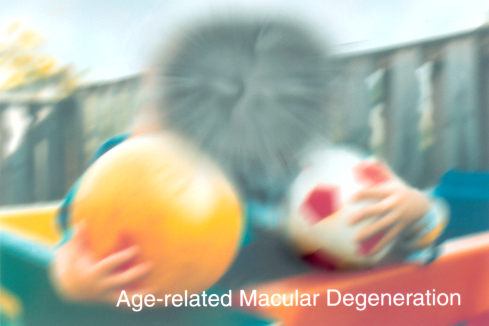
Age-related macular degeneration (AMD) is an eye condition that affects the central region of the retina (light-sensitive tissue at the rear end of our eye). AMD leads to a lack of vision sharpness and adversely affects tasks like driving, reading and recognizing faces. From the lack of a cure, there has been considerable interest in the use of modifiable risk factors to block or decrease the development of AMD. Evidence from population studies implies that those who own an eating plan with relatively significant levels of omega 3 fatty acids (such as those based on fish oils) are far not as likely to develop AMD.

How do Omega-3 Fatty Acids Help Prevent Macular Degeneration?

Omega 3 Fatty acids are usually referred to as “most essential” fatty acids because humans do not have the ability to produce or synthesize them within their own body. Consequently, it becomes imperative for us to find these crucial fatty acids in the diet or supplements.

Omega-3 acids consists of three highly important acids for human eye:

  • Lactic acid (ALA)
  • Docosahexaenoic acid (DHA), and
  • Eicosapentaenoic acid (EPA).

Both DHA and EPA are long-chain omega 3 fatty acids, which protect against inflammatory, cognitive and age-related degenerative alterations. Furthermore, long-chain omega 3 acids, and particularly DHA, form a critical portion of their retina that is healthy.

Lifestyle & Macular Degeneration Diet

A great diet plan for dealing with AMD involves consuming lots of fruit and vegetables as well as reducing processed foods and processed sugar. One must attempt to consume fish (especially salmon) regularly (whenever possible), or in case that is not possible, it can be supplemented with a top dose high-quality omega3 fish oil.

Up to now, studies have suggested that higher saturated fat intake is associated with developing AMD. Nevertheless, the researches don’t identify between people eating ‘unhealthy’ saturated fat such as burgers, hot dogs and donuts and those eating more ‘healthy’ saturated fat — i.e grass-fed meats. But, moderation here is most likely the key here.

Numerous studies have shown that smoking is strongly associated with AMD so give it up! Also be certain you bring some exercise in your schedule. Both, giving up smoking and exercising will help weight loss if it’s required. It is going to even aid the cardiovascular system act as more efficient and also enhance blood flow into the eyes.

You can consider modifying your diet to eat more foods that are rich in omega-3 fatty acids and contains a fewer amount of omega-6 fatty acids.

The best food sources of valuable omega-3 fatty acids are cold-water fish, that is full of both DHA and EPA. Other sources include sardines, herring, salmon and tuna. Wild-caught varieties usually are much better than “farmed” fish, which generally are susceptible to high amounts of chemicals and pollutants.

In case if you don’t like fish or are allergic to them, other good sources of omega-3 fatty acids are as follows:

  • Flax seeds
  • Walnuts
  • Flax seed oil, and
  • Dark green leafy veggies.

Resource- http://bit.ly/2YsNsYX

Color Vision Deficiency

Color vision deficiency is the inability to distinguish certain shades of colors under normal lighting conditions. The expression “color blindness” is more commonly used to describe this visual state, but not many men and women are totally color blind. This eye condition affects men far more frequently than females. Generally speaking, the prevalence is 1 in 12 men and 1 in 200 females of the populace suffers this eye problem.

Color vision deficiency is normally divided into three chief categories. These three major kinds are:

  • Red-green color vision defects (that is the most common)
  • Blue-yellow color vision defects
  • Total Absence of color vision (aka — color blindness)

Color blindness occurs whenever you are not able to find colors in the usual way. It is also known as color vision deficiency. Color blindness is a condition when someone cannot distinguish between certain colors. It typically occurs between greens and reds, and sometimes blues.

Detailed Understanding of Color Blindness

In the human retina, there are two different types of cells which detect light. They are known as rods and cones. Rods detect only brightness or darkness and are extremely sensitive to low light levels. Cone cells detect shade and are concentrated near the center of human eyesight. There are three types of cones that see color: red, blue and green. The mind utilizes input from such cone cells to ascertain our color perception.

Color blindness can happen when a lot of the color cone cells are absent, not functional, or find a different color than normal. Severe color blindness occurs when all three cone cells are absent. Mild color blindness occurs in the event when the cone cells exist but one cone cell does not work accurately.

There are different levels of color blindness. Some people with light color deficiencies could see colors generally in good lighting but have difficulty in dim lighting. Others can’t distinguish certain colors in any light condition. The most severe type of color blindness, where everything is seen in shades of gray, is uncommon. It generally affects both eyes evenly and remains stable during one’s lifetime.

Color blindness is generally something which you have from birth however, you may also develop it later in life. Change in color vision can signify a more severe illness. Anybody who experiences a significant change in color perception must see an ophthalmologist.

Treatment for Color Blindness

There’s absolutely no cure for color blindness. Nonetheless, folks with red-green color blindness might be able to use a distinctive pair of lenses to help them perceive colors more precisely. These lenses can only be used outdoors under bright lighting conditions. Visual aids also have been developed to help individuals cope with color blindness. There are iPhone and iPad programs, as an instance, that help people with color blindness discriminate in colors. A number of these apps enable users to snap a photo and tap it everywhere on the image to see the color of the area. More complex apps make it possible for users to find out both color and shades of color. These kinds of apps can be useful in picking ripe fruits like bananas, or finding complementary colors when picking out garments.

Resourcehttp://bit.ly/2TisKUT

Dangerous Eye Condition Diabetic Macular Edema

Living with diabetes is tough, because if the condition is not properly managed, then it can have a severe negative impact on various parts and organs of the body. For example, diabetes can lead to a number of serious eye conditions. A common complication of diabetes is diabetic retinopathy, a condition where retina’s blood vessels get damaged. The presence of high amount of sugar in the blood stream can cause these blood vessels to become weak. As a result, there could be fluid leakage from these damaged blood vessels.

If the vessels are not treated in time, then the leaking of the fluid from the vessels can lead to Diabetic Macular Edema. In this condition, there is swelling of the retina due to the fluid leakage. This swelling prevents macula, that section of the retina which gives us sharp central vision, from functioning properly. Making wise choices when it comes to lifestyle is a vital step, that should be taken to manage diabetes and prevent related eye conditions like diabetic retinopathy and Diabetic Macular Edema.

Types of Diabetic Macular Edema

The condition of Diabetic Macular Edema can be classified into two categories depending on how the fluid is entering and affecting the functioning of macula: Focal Diabetic Macular Edema and Diffuse Diabetic Macular Edema. If the blood vessels are suffering from abnormalities, then the resulting condition is called Focal Diabetic Macular Edema. On the other hand, if the retinal capillaries are suffering from swelling, then the resulting condition is called Diffuse Diabetic Macular Edema.

Risk Factors

Given the serious consequences of Diabetic Macular Edema, it’s important to understand what are the different risk factors for this condition. If someone has been suffering from diabetes for a long period of time, then they are quite susceptible to developing DME. The type of diabetes that the person has also matters. In case someone is suffering from diabetic retinopathy, then they are highly vulnerable to DME too. Fluid retention and extremely high blood pressure are some of the other risk factors.

Symptoms

There are some symptoms associated with DME, but it’s important to know that this condition doesn’t present signs always. Therefore, it becomes crucial to get regular eye checkups, so that if there are any issues they can be caught in time. Following are some of the symptoms of DME that one should look out for: double vision, increased floaters in the eye, wavy or blurry vision, etc. Take notice of symptoms like these. If DME is not treated in time, it could lead to blindness.

Prevention

Now that we have explored what Diabetic Macular Edema is, how it is caused, what are its different types, and what are its common symptoms, let’s understand how one can protect themselves from this condition. Healthy and active living is important for preventing Diabetic Macular Edema. Get some exercise daily and eat nutritious food. Proper management of your cholesterol, blood pressure, and blood sugar is extremely important.

Resourcehttp://bit.ly/2vjLHwp

Introduce Yourself (Example Post)

This is an example post, originally published as part of Blogging University. Enroll in one of our ten programs, and start your blog right.

You’re going to publish a post today. Don’t worry about how your blog looks. Don’t worry if you haven’t given it a name yet, or you’re feeling overwhelmed. Just click the “New Post” button, and tell us why you’re here.

Why do this?

  • Because it gives new readers context. What are you about? Why should they read your blog?
  • Because it will help you focus you own ideas about your blog and what you’d like to do with it.

The post can be short or long, a personal intro to your life or a bloggy mission statement, a manifesto for the future or a simple outline of your the types of things you hope to publish.

To help you get started, here are a few questions:

  • Why are you blogging publicly, rather than keeping a personal journal?
  • What topics do you think you’ll write about?
  • Who would you love to connect with via your blog?
  • If you blog successfully throughout the next year, what would you hope to have accomplished?

You’re not locked into any of this; one of the wonderful things about blogs is how they constantly evolve as we learn, grow, and interact with one another — but it’s good to know where and why you started, and articulating your goals may just give you a few other post ideas.

Can’t think how to get started? Just write the first thing that pops into your head. Anne Lamott, author of a book on writing we love, says that you need to give yourself permission to write a “crappy first draft”. Anne makes a great point — just start writing, and worry about editing it later.

When you’re ready to publish, give your post three to five tags that describe your blog’s focus — writing, photography, fiction, parenting, food, cars, movies, sports, whatever. These tags will help others who care about your topics find you in the Reader. Make sure one of the tags is “zerotohero,” so other new bloggers can find you, too.

Design a site like this with WordPress.com
Get started